Cross-border business structures
Cooperation, ownership, payment, liability boundaries, and contract terms.

Integrity · Precision · Advocacy
Cross-Border Bridge
U.S.-China matters often combine documents, identity, assets, contracts, family issues, and enforcement. We help clients connect two systems into one workable path.
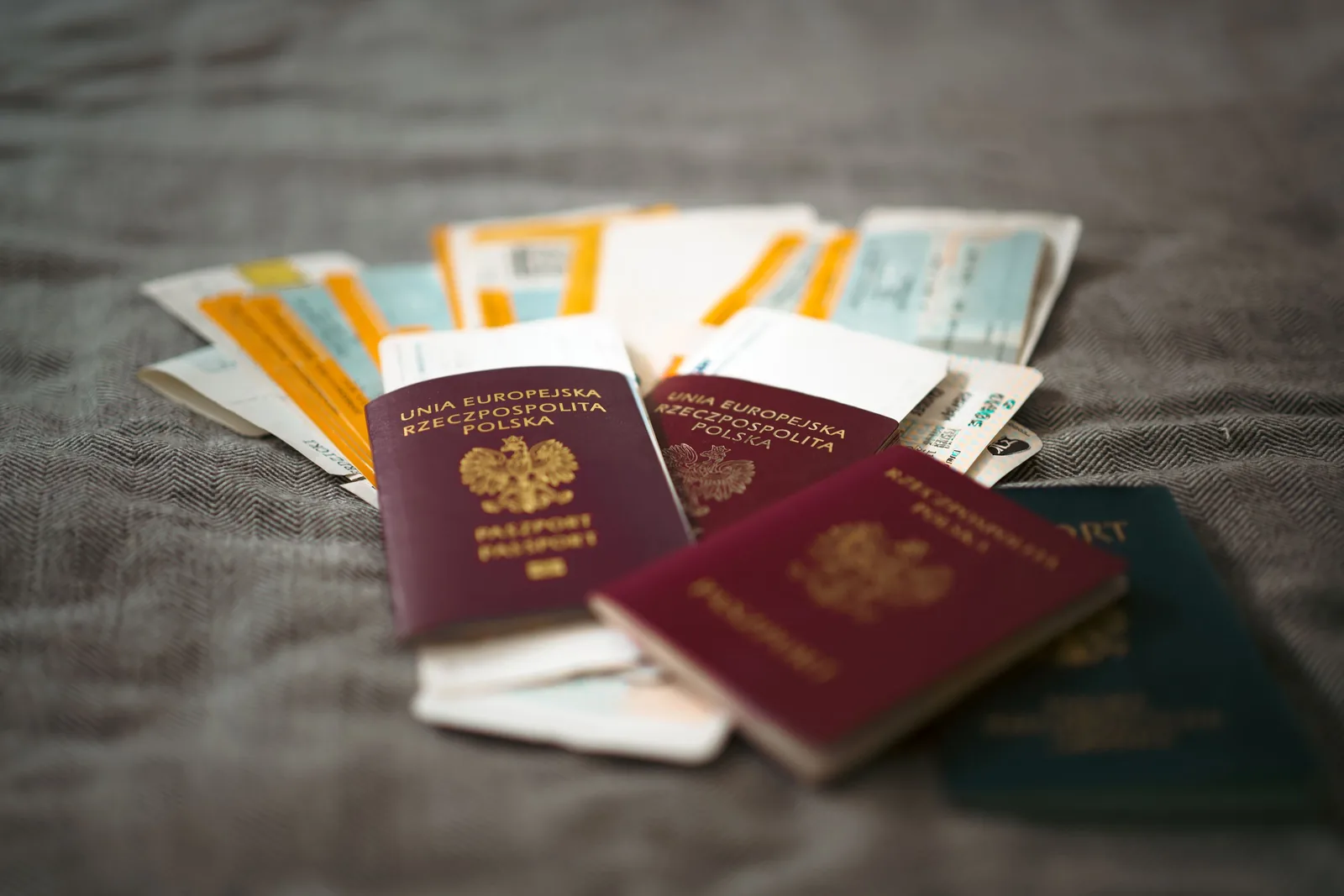
Editorial Direction
Cross-border work is not ordinary translation. The page must show U.S. procedure, China-based facts, documents, identity, assets, and execution working together.
Cross-Border Matters
Cross-border matters are layered. The first job is to separate the layers clearly.
Cooperation, ownership, payment, liability boundaries, and contract terms.
Investment funds, promises, party relationships, fund trails, and asset clues.
Family assets, status, residence, document signing, and long-term planning.
U.S. estates, trusts, China assets, beneficiaries, and document use.
Identity plans, travel, company operations, and family rhythm.
Contracts, messages, payments, authorizations, translations, and records.
Procurement, payment, quality, delivery, platform orders, and reconciliations.
Where to proceed, against whom, with what evidence, and for what outcome.
Bridge Logic
The strongest cross-border path depends on where the documents, parties, assets, and enforceable remedies are located.
Working Method
Two systems, one organized path.
Identify whether the matter is business, dispute, asset, immigration, or family planning.
Organize parties, countries, contracts, payments, language, source records, and timeline.
Evaluate U.S. procedure, contract negotiation, document strengthening, or professional coordination.
Preserve evidence and deadlines first, then move negotiation, litigation, status, or asset planning.
The more complete the context, the less likely the strategy starts in the wrong place.
Individuals, companies, shareholders, agents, counterparties, and actual control relationships.
Contracts, amendments, powers of attorney, signed versions, forum and dispute clauses.
Transfers, receipts, asset clues, statements, investment documents, and ledgers.
WeChat, emails, texts, meeting notes, platform messages, and call summaries.
Status, travel plans, family members, marriage, inheritance, and residence planning.
Translations, notarization/authentication needs, originals, scans, and submission purpose.